
I have spent enough shifts on casino floors across eight properties and six pre-openings in Asia-Pacific markets to know that a mechanic only earns its keep when it survives the first full month of live traffic. Megaways pokies walking wilds are one of those features that sound clever in a pitch deck and then either hold their own or become a quiet complaint line at the cash desk. The difference usually comes down to how the wilds travel, how often the symbol set reshuffles, and whether the operator has tuned the volatility so the feature feels earned rather than handed out. When a walking wild genuinely tracks across reels and keeps multiplying ways, players notice the rhythm; when it triggers too frequently without meaningful payline expansion, the same players stop returning. That distinction matters just as much for a regional venue in Newcastle as it does for a flagship floor in Canberra, because local audiences read the same maths through a different cultural lens.
How Walking Wilds Behave On A Megaways Grid
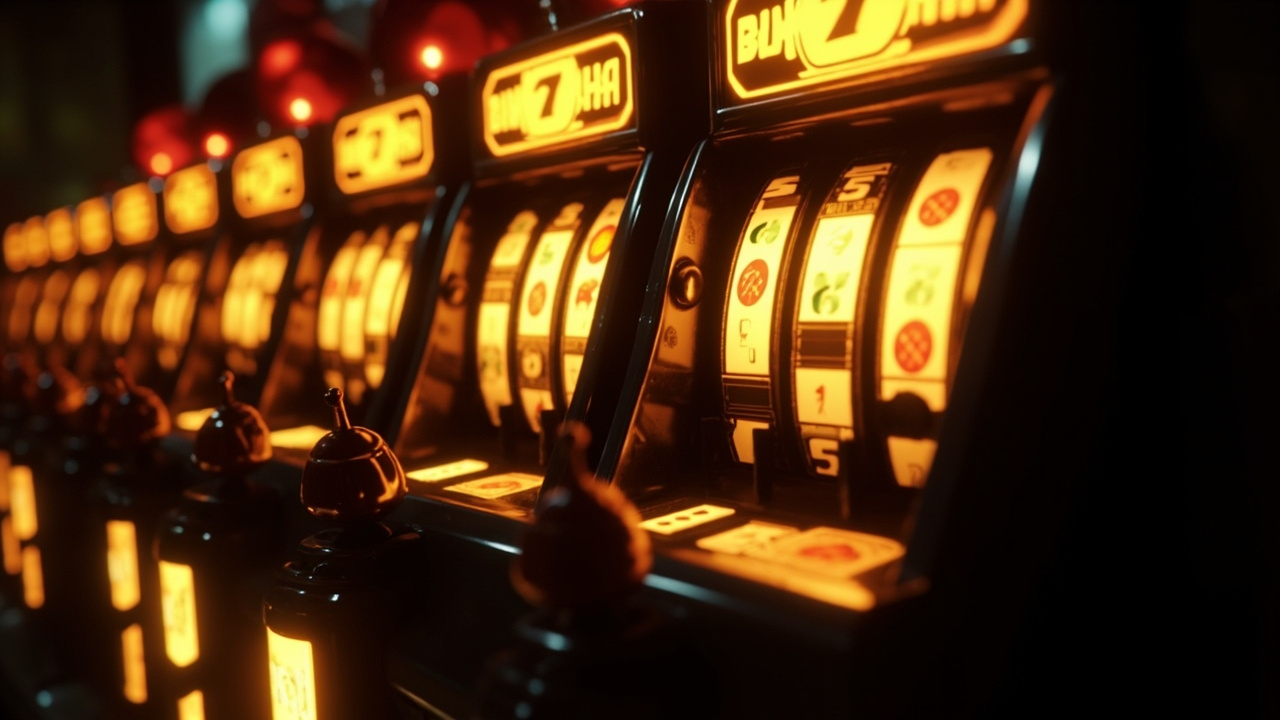
A walking wild on a megaways engine is not simply a symbol that appears and disappears. In the versions I have overseen during pre-launch testing, the wild typically lands in a position, then shifts one reel upward or sideways on the next spin, often carrying its multiplier with it. That movement is what separates a standard stacked wild from a walking variant worth reviewing on its own. The grid size can swing from a few hundred ways up to several thousand, and the wild’s path changes how those ways actually pay. If the symbol climbs predictably, players learn the pattern and start timing their sessions around the feature window. If the path is deliberately irregular, the feature stays volatile and the session length tends to shorten, which is a deliberate design choice rather than a flaw.
I have seen test data where a walking wild that travels too far too quickly inflates short-term hit frequency without delivering the kind of accumulating payout that keeps a player seated for a second hour. The better implementations cap the travel distance or let the wild drop off after a set number of spins, which keeps the feature from feeling either flat or overfed. From an operations perspective, that balance is what determines whether the game earns a permanent spot on the floor or gets rotated out after the welcome traffic subsides. When the walking wild is tuned properly, the feature feels like a genuine extension of the base game rather than a separate mini-event that arrives uninvited.
What Separates A Durable Walking Wild Feature From A Short-Lived One
Feature Frequency And Payback Rhythm
The first thing I look at during a pre-opening audit is how often the walking wild triggers relative to the base-game volatility. A feature that arrives too generously can flatten the experience, because players start expecting the wild to do the heavy lifting on every second spin. A feature that arrives too rarely, by contrast, can make the game feel obstinate, especially on a megaways grid where the ways count already pushes variance upward. The sweet spot I have observed is a trigger rate that lets the wild appear often enough to be memorable, while still leaving enough dry spells that the paylines feel like they are earning their keep. When I have reviewed games for retention rather than just launch-day buzz, that rhythm has mattered more than the headline ways count. Adelaidenow
Symbol Sets, Multipliers, And How They Compound
A walking wild becomes far more interesting when its multiplier travels with it instead of resetting on each move. In the stronger implementations I have tracked, the wild can stack its multiplier as it steps across reels, which means a single feature can build into a meaningful line total without needing three separate bonus triggers in the same spin. That compounding is what gives the feature its staying power, because the player can see the potential building rather than waiting for a binary win/loss moment. The symbol set matters here too: when the wild substitutes cleanly across high-value icons without breaking the paytable logic, the feature reads as fair. When substitution rules get fuzzy, the same player who was engaged ten minutes earlier starts questioning the maths. I have seen that friction show up in post-launch feedback faster than any other complaint, because it is the kind of detail that feels visible on a busy screen.
Session Length, Volatility, And Player Retention
Volatility is the quiet variable that decides whether a walking wild feature survives past the first week. A megaways game with a high ways count already leans toward wider swings, and a walking wild that amplifies those swings without offering a visible path back to base-game stability can shorten sessions. The versions I have preferred are the ones that let the feature breathe: the wild moves, the multiplier builds, and the base game still has enough regular pays to keep the seat warm between feature triggers. That is not a glamour point, but it is the reason a property keeps a title on its floor after the opening rush. Retention is rarely about a single spectacular spin; it is about whether the player can return for a second hour and still feel that the game has a readable rhythm.
Who This Kind Of Feature Suits Best
A walking wild on a megaways grid suits a player who is comfortable with variance and who reads a session as a sequence of builds rather than a straight line to a big win. If you prefer frequent small returns and dislike waiting through dry stretches, this mechanic may feel slower than you expect, because the feature is designed to accumulate rather than to pay out on demand. If you are the sort of player who stays for the arc of a feature and is willing to let a multiplier travel across a few spins, the walking wild can feel like a deliberate part of the game rather than a lucky interruption. The key judgement call is honesty about your own tolerance for swings: the feature rewards patience, but it does not remove variance, and no amount of feature tuning changes that.
For players weighing an operator or a venue, the practical question is whether the surrounding offer is built for repeat visits rather than a one-off welcome moment. Ongoing value after the welcome offer is what keeps a property relevant once the first deposit is behind you, and that is where recurring promos, cashback, loyalty and VIP tiers, and tournaments start to matter more than the headline game list. A venue that treats those programmes as an afterthought tends to lose players who were initially drawn in by a single feature or a single launch campaign. By contrast, a property that keeps a visible path back – through repeat-play reasons, regular promos, and a loyalty structure that actually recognises session habits – gives the walking wild a home rather than leaving it as a one-time attraction. You can read more about how a venue positions its ongoing offer at wolfgoldslot-aus.com, where the emphasis on repeat engagement sits alongside the game selection rather than competing with it. wolfgoldslot-aus.com
When I compare that approach to the fundraising culture many Australians already understand, the parallel is closer than it first appears. Raffles are a beloved Australian fundraising tradition because they reward repeated participation and community presence rather than a single lucky ticket, and a casino programme that works the same way tends to hold its audience longer. That is not a promise of outcome; it is a structural observation about what keeps people returning to the same floor, the same app, or the same loyalty tier after the initial excitement settles.
Final Assessment
Megaways pokies walking wilds earn their place when the wild travels with purpose, the multiplier compounds without breaking the paytable logic, and the volatility is tuned so the feature feels earned across a real session. I would put this mechanic in front of a player who understands variance and wants a feature with a visible build, and I would keep it away from anyone looking for frequent, low-variance returns. The feature itself is only half the story; the operator’s ongoing programme – recurring promos, cashback, loyalty and VIP recognition, and tournaments that give repeat players a reason to stay – is what determines whether the title remains relevant after the opening rush. If you are in Newcastle or anywhere else on the east coast where a three-hour time gap across AEST and AWST can quietly reshape evening traffic, the same principle applies: the game survives when the venue treats it as part of a longer relationship rather than a launch-day headline.